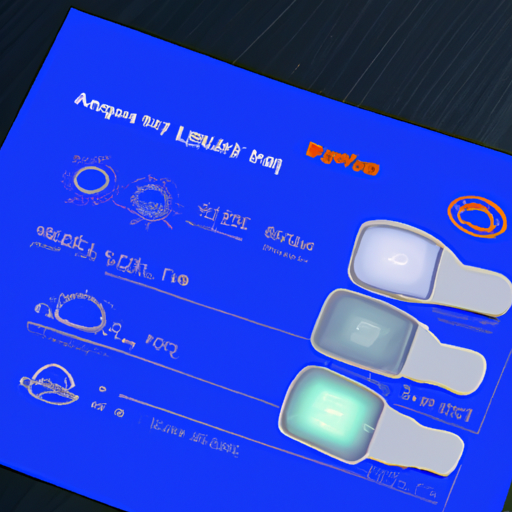
Application Development in Ambient Light, IR, and UV Sensors for CFR-25JB-52-130R: Key Technologies and Success StoriesThe integration of Ambient Light, Infrared (IR), and Ultraviolet (UV) sensors into applications related to CFR-25JB-52-130R represents a significant advancement in various industries. These sensors enable enhanced monitoring, automation, and data-driven decision-making. Below, we explore key technologies and notable success stories that illustrate the impact of these sensors.
Key Technologies1. Sensor Integration2. Data Analytics and Machine Learning3. Energy Harvesting4. Smart Materials5. Calibration and Accuracy1. Smart Lighting Systems2. Agricultural Monitoring3. Health and Safety Applications4. Environmental Monitoring5. Smart Home Devices6. Automotive Applications Success Stories ConclusionThe integration of Ambient Light, IR, and UV sensors into various applications has led to significant advancements across multiple industries. The success stories presented highlight the potential of these sensors to drive innovation, improve efficiency, and enhance safety. As technology continues to evolve, the applications for these sensors are likely to expand, leading to even more impactful solutions in the future. The CFR-25JB-52-130R component can play a pivotal role in these developments, serving as a foundation for innovative sensor applications.
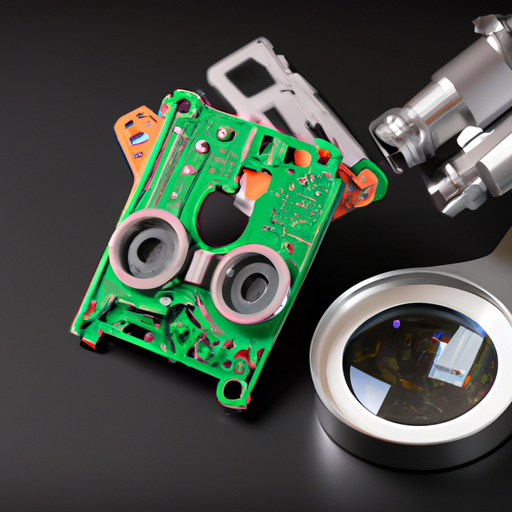
Application Development in Optical Motion Sensors for CFR-50JB-52-130K: Key Technologies and Success StoriesOptical motion sensors, such as the CFR-50JB-52-130K, play a crucial role in various sectors, including consumer electronics, automotive, healthcare, and industrial automation. While specific details about the CFR-50JB-52-130K model may not be available, we can explore the broader landscape of optical motion sensor technologies and their successful applications.
Key Technologies in Optical Motion Sensors1. Image Processing Algorithms2. Infrared and Visible Light Sensing3. 3D Sensing Technologies4. Low-Power Consumption5. Sensor Fusion6. Wireless Communication1. Smart Home Automation2. Gaming and Virtual Reality3. Healthcare Monitoring4. Automotive Safety Features5. Industrial Automation Success Stories ConclusionThe development of optical motion sensors, including models like the CFR-50JB-52-130K, is propelled by advancements in imaging technology, data processing, and sensor integration. Their applications across various industries highlight their versatility and significance in modern technology. As the demand for smart devices and automation continues to rise, the role of optical motion sensors is expected to expand, leading to further innovations and success stories in the field. The ongoing evolution of these technologies will likely pave the way for new applications and enhanced user experiences in the future.
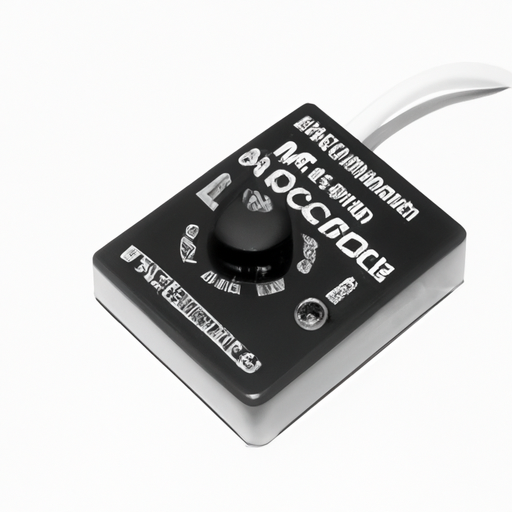
MM74HC165N Inclinometers: Core Functional Technology and Application DevelopmentThe MM74HC165N is a high-speed CMOS shift register that plays a crucial role in interfacing with various sensors, including inclinometers. Inclinometers, or tilt sensors, are essential devices that measure the angle of tilt or inclination of an object relative to gravity. Their applications span multiple industries, including construction, automotive, aerospace, and robotics. Below, we delve into the core functional technology of inclinometers and explore several application development cases.
Core Functional Technology of Inclinometers1. Types of Inclinometers2. Working Principle3. Signal Processing4. Communication Protocols1. Construction and Civil Engineering2. Automotive Applications3. Robotics4. Aerospace5. Agriculture1. Integration with Microcontrollers2. Calibration3. Data Logging and Analysis4. Real-time Monitoring Application Development Cases Development Considerations ConclusionInclinometers are versatile sensors with a broad range of applications across various industries. The integration of devices like the MM74HC165N enhances data handling and processing capabilities, making it easier to develop robust applications that leverage the capabilities of inclinometers. As technology continues to advance, the accuracy, reliability, and functionality of inclinometers are expected to improve, paving the way for innovative applications and solutions in the future.