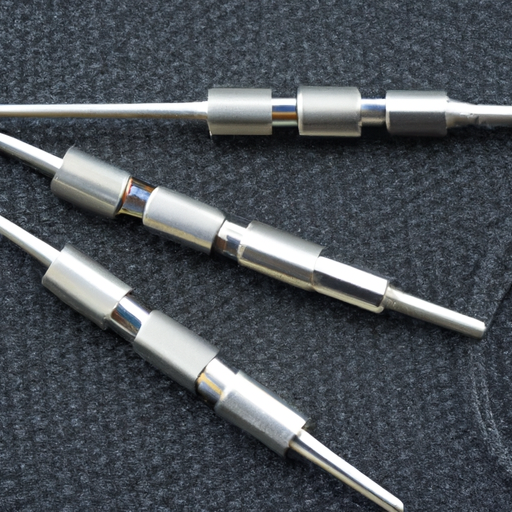

Thermocouples are widely used temperature sensors that operate on the principle of the Seebeck effect, where a voltage is generated at the junction of two dissimilar metals in response to temperature changes. They are favored for their:
| Wide Temperature Range: Capable of measuring temperatures from -200°C to over 2000°C, depending on the metal combination.Wide Temperature Range: Capable of measuring temperatures from -200°C to over 2000°C, depending on the metal combination. |
| Fast Response Time: Their small size and low thermal mass allow for rapid temperature readings.Fast Response Time: Their small size and low thermal mass allow for rapid temperature readings. |
| Durability: They can withstand harsh environments, including high pressures and corrosive conditions.Durability: They can withstand harsh environments, including high pressures and corrosive conditions. |
| 1. Type K (Chromel-Alumel) | The most common type, suitable for a variety of applications. |
| 2. Type J (Iron-Constantan) | Effective for lower temperature ranges, typically up to 750°C. |
| 3. Type T (Copper-Constantan) | Best for cryogenic applications, with a range from -200°C to 350°C. |
| 4. Type S (Platinum-Rhodium) | Used in high-temperature applications, particularly in laboratories and industrial processes. |
| 1. Seebeck Effect | The generation of a voltage due to a temperature difference between the junctions of dissimilar metals. |
| 2. Cold Junction Compensation | Essential for accurate readings, as the reference junction must be maintained at a known temperature. |
| 3. Signal Conditioning | Involves amplifying and filtering the thermoelectric voltage to enhance accuracy and minimize noise. |
| 1. Industrial Processes | Critical for temperature control in manufacturing, such as metal processing and chemical production. |
| 2. HVAC Systems | Used for monitoring and controlling temperatures in heating, ventilation, and air conditioning systems. |
| 3. Food Processing | Ensures food safety by monitoring cooking and storage temperatures to prevent foodborne illnesses. |
| 4. Automotive | Employed in engine management systems to monitor exhaust and engine temperatures for optimal performance. |
| 1. RTDs | Known for high accuracy and stability, making them suitable for laboratory and industrial applications. |
| 2. Thermistors | Provide high sensitivity and are commonly used in consumer electronics and medical devices. |
| 3. Wireless Temperature Probes | An emerging technology that facilitates remote monitoring and data logging, enhancing flexibility in various applications. |
| 1. Medical Devices | Integral to patient monitoring systems for tracking body temperature and ensuring patient safety. |
| 2. Environmental Monitoring | Used in weather stations and climate research to measure ambient temperatures. |
| 3. Research and Development | Essential in laboratories for experiments requiring precise temperature control. |
| 4. Home Automation | Found in smart thermostats and home monitoring systems, contributing to energy efficiency and comfort. |
Temperature probes encompass a range of temperature measurement devices, including thermocouples, RTDs (Resistance Temperature Detectors), and thermistors. They are often integrated with data acquisition systems for effective monitoring and control.
1. Industrial Automation: A manufacturing plant integrated thermocouples with a PLC (Programmable Logic Controller) to monitor furnace temperatures. This implementation led to a 20% increase in energy efficiency by optimizing heating cycles, demonstrating the impact of precise temperature control on operational efficiency.
2. Food Safety: A food processing company adopted temperature probes to ensure that products were cooked to the correct temperatures. This initiative resulted in a significant reduction in foodborne illnesses and improved compliance with health regulations, highlighting the importance of temperature monitoring in food safety.
3. Medical Monitoring: A hospital deployed wireless temperature probes in patient care units, enabling real-time monitoring of patient temperatures. This system improved response times for fever management and enhanced overall patient care, showcasing the benefits of advanced temperature monitoring technologies in healthcare settings.
Thermocouples and temperature probes are vital components across various industries, providing essential temperature measurements that enhance safety, efficiency, and quality. As technology continues to evolve, the integration of these sensors with IoT and data analytics will further expand their effectiveness and application scope, paving the way for smarter and more responsive systems in industrial, medical, and consumer environments.
Thermocouples are widely used temperature sensors that operate on the principle of the Seebeck effect, where a voltage is generated at the junction of two dissimilar metals in response to temperature changes. They are favored for their:
| Wide Temperature Range: Capable of measuring temperatures from -200°C to over 2000°C, depending on the metal combination.Wide Temperature Range: Capable of measuring temperatures from -200°C to over 2000°C, depending on the metal combination. |
| Fast Response Time: Their small size and low thermal mass allow for rapid temperature readings.Fast Response Time: Their small size and low thermal mass allow for rapid temperature readings. |
| Durability: They can withstand harsh environments, including high pressures and corrosive conditions.Durability: They can withstand harsh environments, including high pressures and corrosive conditions. |
| 1. Type K (Chromel-Alumel) | The most common type, suitable for a variety of applications. |
| 2. Type J (Iron-Constantan) | Effective for lower temperature ranges, typically up to 750°C. |
| 3. Type T (Copper-Constantan) | Best for cryogenic applications, with a range from -200°C to 350°C. |
| 4. Type S (Platinum-Rhodium) | Used in high-temperature applications, particularly in laboratories and industrial processes. |
| 1. Seebeck Effect | The generation of a voltage due to a temperature difference between the junctions of dissimilar metals. |
| 2. Cold Junction Compensation | Essential for accurate readings, as the reference junction must be maintained at a known temperature. |
| 3. Signal Conditioning | Involves amplifying and filtering the thermoelectric voltage to enhance accuracy and minimize noise. |
| 1. Industrial Processes | Critical for temperature control in manufacturing, such as metal processing and chemical production. |
| 2. HVAC Systems | Used for monitoring and controlling temperatures in heating, ventilation, and air conditioning systems. |
| 3. Food Processing | Ensures food safety by monitoring cooking and storage temperatures to prevent foodborne illnesses. |
| 4. Automotive | Employed in engine management systems to monitor exhaust and engine temperatures for optimal performance. |
| 1. RTDs | Known for high accuracy and stability, making them suitable for laboratory and industrial applications. |
| 2. Thermistors | Provide high sensitivity and are commonly used in consumer electronics and medical devices. |
| 3. Wireless Temperature Probes | An emerging technology that facilitates remote monitoring and data logging, enhancing flexibility in various applications. |
| 1. Medical Devices | Integral to patient monitoring systems for tracking body temperature and ensuring patient safety. |
| 2. Environmental Monitoring | Used in weather stations and climate research to measure ambient temperatures. |
| 3. Research and Development | Essential in laboratories for experiments requiring precise temperature control. |
| 4. Home Automation | Found in smart thermostats and home monitoring systems, contributing to energy efficiency and comfort. |
Temperature probes encompass a range of temperature measurement devices, including thermocouples, RTDs (Resistance Temperature Detectors), and thermistors. They are often integrated with data acquisition systems for effective monitoring and control.
1. Industrial Automation: A manufacturing plant integrated thermocouples with a PLC (Programmable Logic Controller) to monitor furnace temperatures. This implementation led to a 20% increase in energy efficiency by optimizing heating cycles, demonstrating the impact of precise temperature control on operational efficiency.
2. Food Safety: A food processing company adopted temperature probes to ensure that products were cooked to the correct temperatures. This initiative resulted in a significant reduction in foodborne illnesses and improved compliance with health regulations, highlighting the importance of temperature monitoring in food safety.
3. Medical Monitoring: A hospital deployed wireless temperature probes in patient care units, enabling real-time monitoring of patient temperatures. This system improved response times for fever management and enhanced overall patient care, showcasing the benefits of advanced temperature monitoring technologies in healthcare settings.
Thermocouples and temperature probes are vital components across various industries, providing essential temperature measurements that enhance safety, efficiency, and quality. As technology continues to evolve, the integration of these sensors with IoT and data analytics will further expand their effectiveness and application scope, paving the way for smarter and more responsive systems in industrial, medical, and consumer environments.