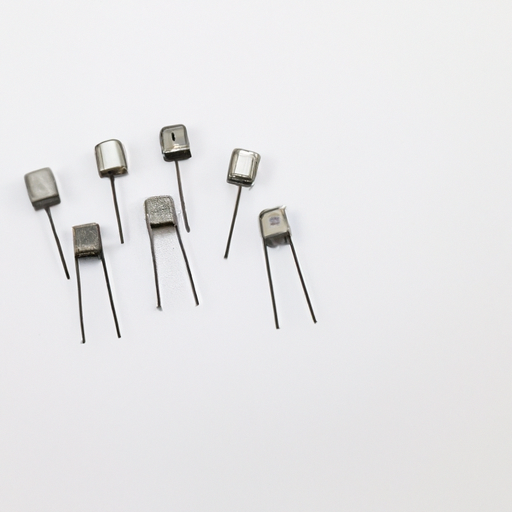

Proximity sensors are critical components in modern technology, enabling devices to detect the presence or absence of objects without physical contact. The 9250-686 Proximity Sensor is a specific model that exemplifies the capabilities and applications of proximity sensing technology across various industries. Below, we delve into the core functional technologies, application development cases, and relevant articles that highlight the effectiveness of proximity sensors.
| 1. Types of Proximity Sensors | |
| 2. Operating Principles | |
| 3. Key Features | |
| 1. Industrial Automation | |
| 2. Consumer Electronics | |
| 3. Automotive Applications | |
| 4. Healthcare | |
| 5. Robotics | |
| 1. "Understanding Proximity Sensors: Types and Applications" | This article provides a comprehensive overview of different types of proximity sensors and their specific applications across various industries. |
| 2. "The Role of Proximity Sensors in Industrial Automation" | A detailed exploration of how proximity sensors enhance efficiency and safety in manufacturing processes, highlighting case studies and best practices. |
3. "Innovations in Proximity Sensing Technology" - Discusses recent advancements in sensor technology, including improvements in sensitivity, range, and integration with IoT systems, showcasing the future of proximity sensing.
4. "Case Studies in Proximity Sensor Applications" - A collection of real-world examples demonstrating how different industries have successfully implemented proximity sensors to address specific challenges and improve operations.
5. "Proximity Sensors in Smart Home Technology" - An article focusing on the integration of proximity sensors in smart home devices, enhancing user experience, energy efficiency, and automation.
Proximity sensors, including models like the 9250-686, are indispensable in modern technology across various sectors. Their ability to detect objects without contact makes them invaluable in applications ranging from industrial automation to consumer electronics, automotive safety, healthcare, and robotics. As technology continues to evolve, the applications and capabilities of proximity sensors are expected to expand, driving innovation and efficiency in numerous fields. The ongoing development in sensor technology promises to enhance their functionality and integration into smart systems, paving the way for a more automated and efficient future.
Proximity sensors are critical components in modern technology, enabling devices to detect the presence or absence of objects without physical contact. The 9250-686 Proximity Sensor is a specific model that exemplifies the capabilities and applications of proximity sensing technology across various industries. Below, we delve into the core functional technologies, application development cases, and relevant articles that highlight the effectiveness of proximity sensors.
| 1. Types of Proximity Sensors | |
| 2. Operating Principles | |
| 3. Key Features | |
| 1. Industrial Automation | |
| 2. Consumer Electronics | |
| 3. Automotive Applications | |
| 4. Healthcare | |
| 5. Robotics | |
| 1. "Understanding Proximity Sensors: Types and Applications" | This article provides a comprehensive overview of different types of proximity sensors and their specific applications across various industries. |
| 2. "The Role of Proximity Sensors in Industrial Automation" | A detailed exploration of how proximity sensors enhance efficiency and safety in manufacturing processes, highlighting case studies and best practices. |
3. "Innovations in Proximity Sensing Technology" - Discusses recent advancements in sensor technology, including improvements in sensitivity, range, and integration with IoT systems, showcasing the future of proximity sensing.
4. "Case Studies in Proximity Sensor Applications" - A collection of real-world examples demonstrating how different industries have successfully implemented proximity sensors to address specific challenges and improve operations.
5. "Proximity Sensors in Smart Home Technology" - An article focusing on the integration of proximity sensors in smart home devices, enhancing user experience, energy efficiency, and automation.
Proximity sensors, including models like the 9250-686, are indispensable in modern technology across various sectors. Their ability to detect objects without contact makes them invaluable in applications ranging from industrial automation to consumer electronics, automotive safety, healthcare, and robotics. As technology continues to evolve, the applications and capabilities of proximity sensors are expected to expand, driving innovation and efficiency in numerous fields. The ongoing development in sensor technology promises to enhance their functionality and integration into smart systems, paving the way for a more automated and efficient future.